Dinagyang Festival: Philippine Maximalism at Its Finest
The next-level exuberance of Dinagyang can only be traced to the Ilonggos' unmistakable joie de vivre, one that’s anchored on steadfast faith in a doting Deity.

The next-level exuberance of Dinagyang can only be traced to the Ilonggos' unmistakable joie de vivre, one that’s anchored on steadfast faith in a doting Deity.
The rhythmic pounding of drums, the vibrant swirl of colors, and the electrifying energy of Iloilo City — these are the sights and sounds that welcome you as you step into the heart of the Dinagyang Festival. Known as one of the most spectacular and grandest festivals in all of the Philippines, Dinagyang isn’t just something you watch — it’s something you feel.
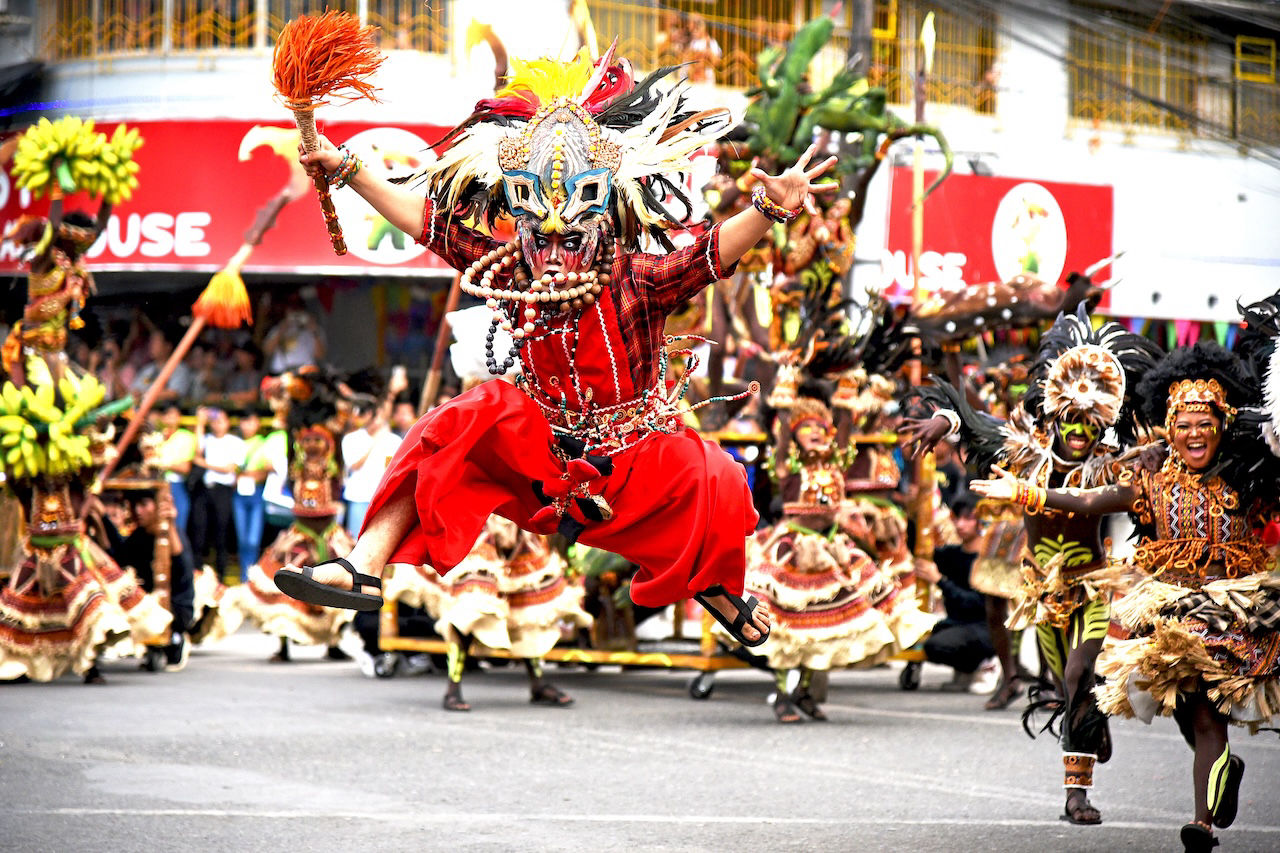
It’s a celebration of culture, devotion, and community spirit that leaves you in awe alright. But from a certain anthropological and artistic standpoint, it's also a prime example of the definitive Philippine aesthetic now being called 'maximalism' (as opposed to minimalism), which is essentially of the Pacific Islander temperament or mold.
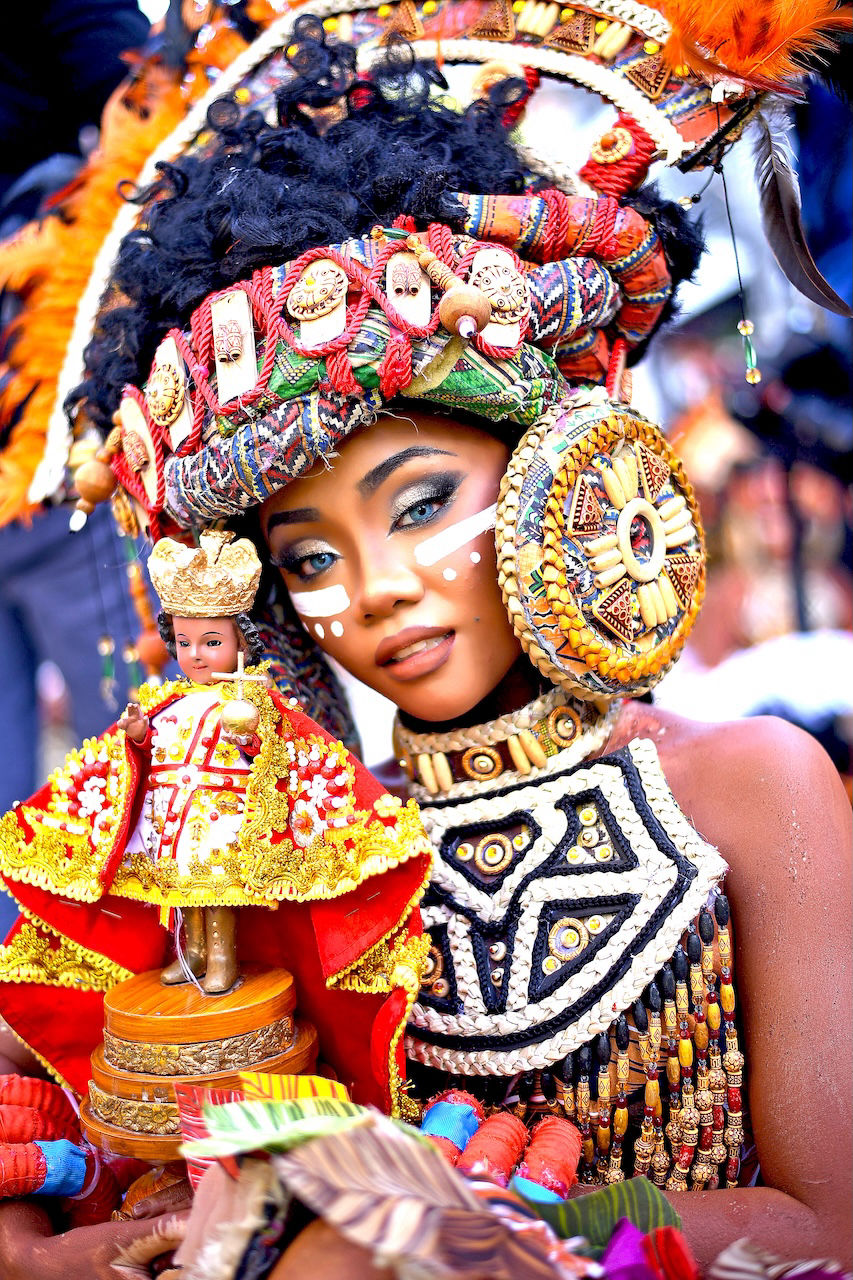
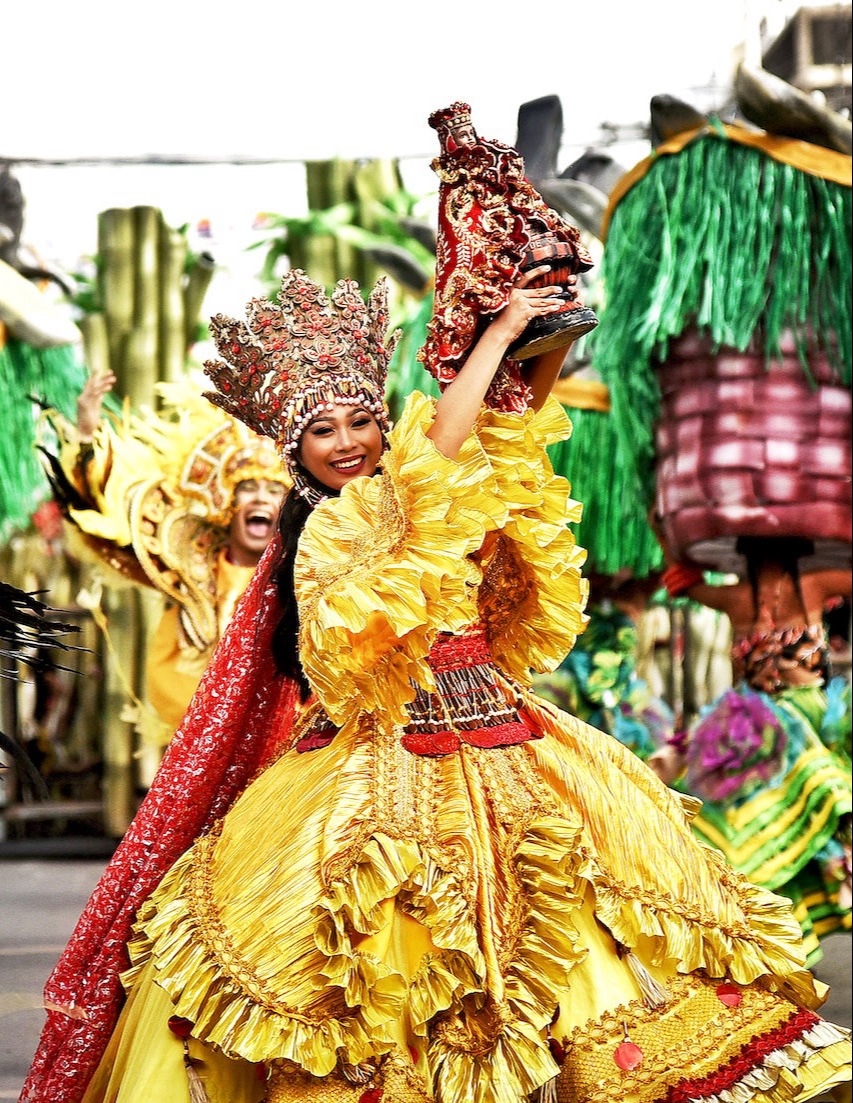
When you arrive in Iloilo City in late January, you immediately sense the excitement pulsing through the streets. Banners of bright colors dance in the breeze, and the warm smiles of the locals make you feel at home. The festival, held annually on the fourth Sunday of January, honors the Santo Niño (child Jesus) and commemorates the arrival of Malay settlers.
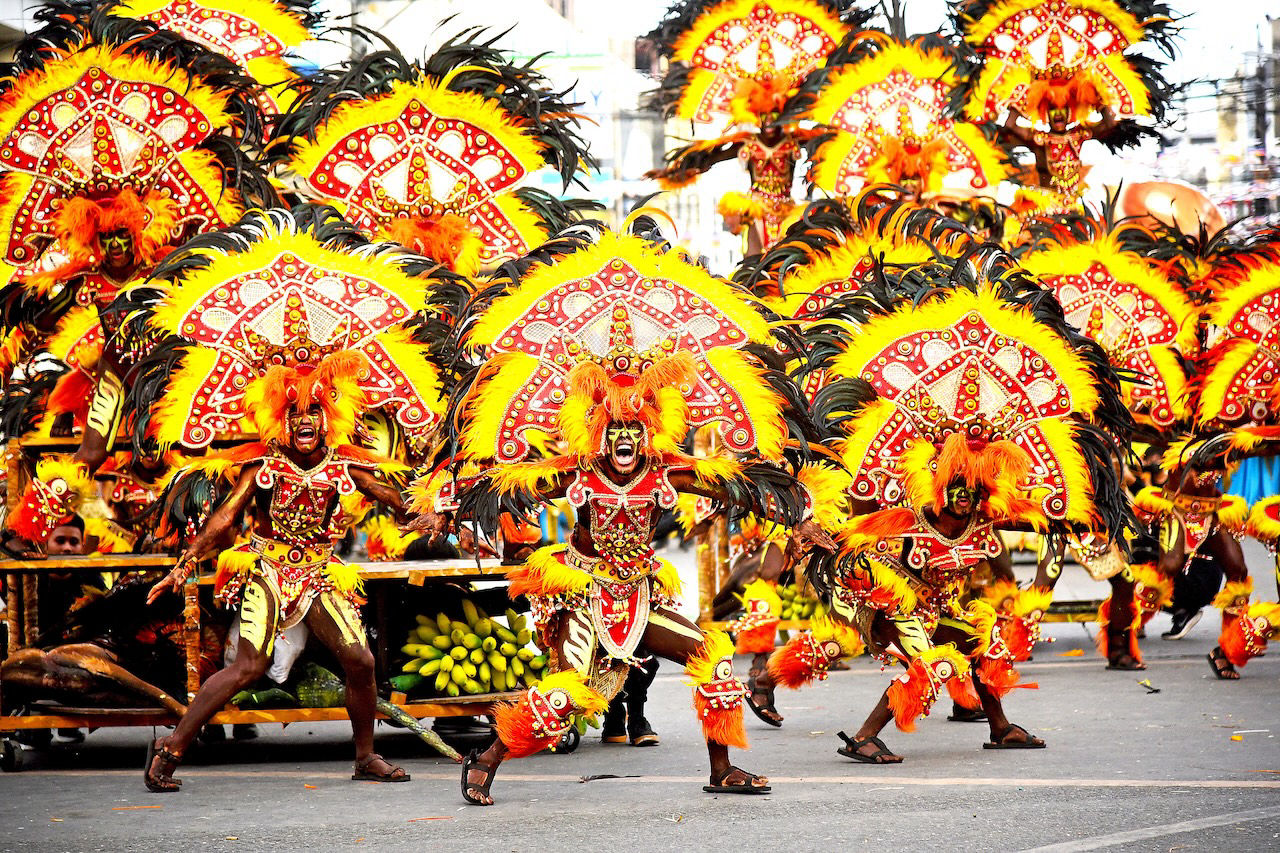
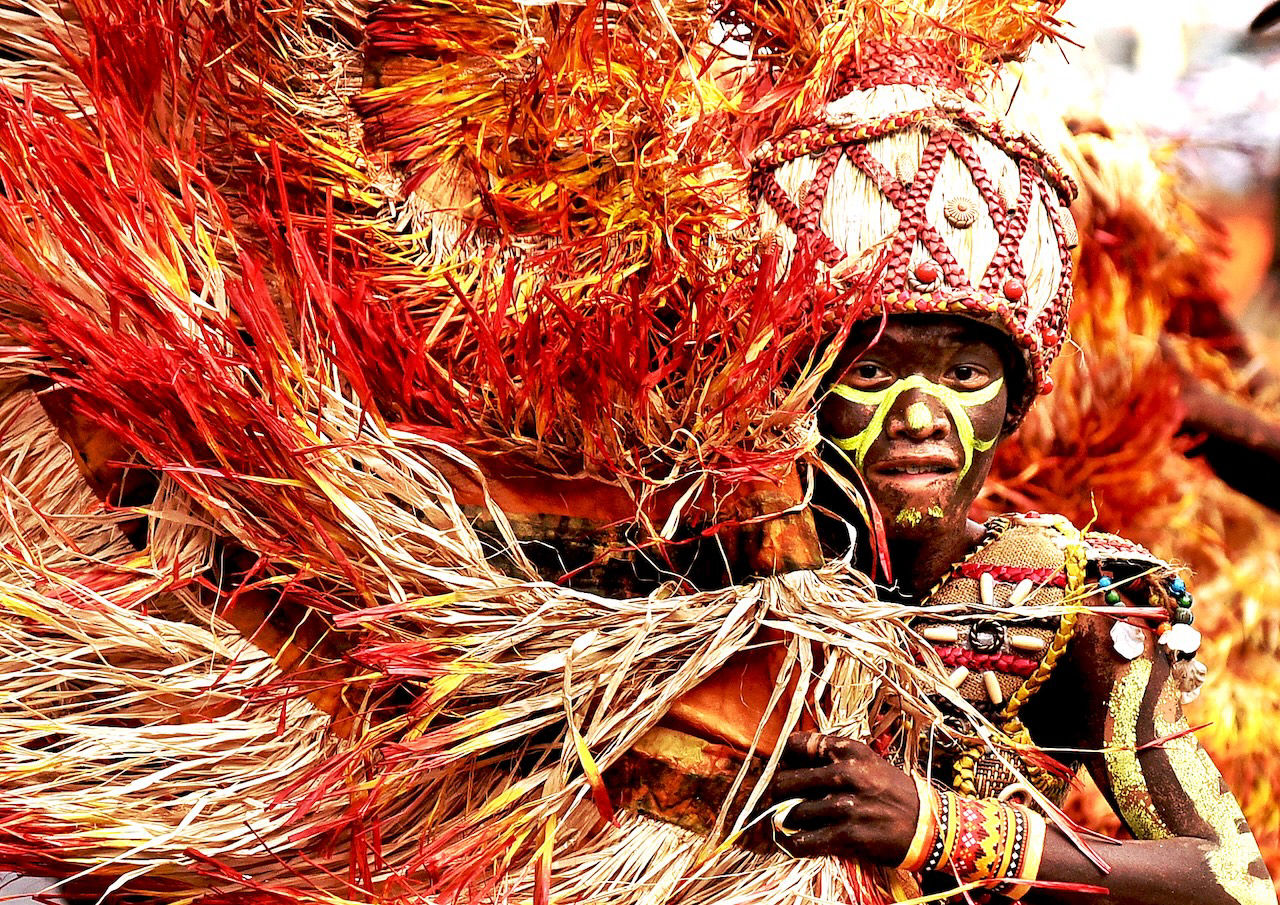
As you make your way through the city’s bustling thoroughfares, they transform into a grand stage. Performers — with bodies painted in intricate black-and-gold patterns — move with unparalleled energy. The synchronized beats of the tribal drums send vibrations through your chest as dancers tell the story of the Ati people with breathtaking choreography. You find yourself enthralled — each performance a mesmerizing story that blends history, artistry, and devotion.
Since its inception in 1967, this festival has evolved into one of the country's most breathtaking cultural events, drawing visitors from all over the world. That fateful year, a replica of the Santo Niño de Cebu arrived in Iloilo City, sparking a deep devotion that led to the festival’s birth. What started as a simple religious observance, however, was transformed in 1969 with the commemoration of local history, namely the addition of a dramatic reenactment of the Barter of Panay — a tribute to the peaceful coexistence between the indigenous Ati people and Malay settlers.
The name of the festival came from the Hiligaynon word "dágyang," which means "merrymaking."
This year, from January 24 to 26, 2025, Dinagyang has proven once again to be a festival unlike any other. Themed “Buhi nga Bahandi” (Living Treasure), this year’s celebration was a vibrant showcase of Ilonggo culture.
The experience began in December 2024 with Pamukaw (awakening), a traditional call to festivities that infuses the city with excitement. Then, on
January 10, the Opening Salvo brought the streets to life with a dynamic parade, setting the stage for the grand celebrations ahead.
If you had been seeking a visual spectacle, January 24 would have been unforgettable. The ILOmination Philippine Light Festival, a fresh addition to this year’s lineup, transformed Iloilo’s business districts into a glowing wonderland at night. You could only marvel at illuminated performances and the stunning Floats Parade of Lights, where intricately designed floats bathed the city in brilliance.
On January 25, you would have been captivated by Kasadyahan sa Kabanwahanan, an event that unites Iloilo’s towns in a dazzling display of traditional dances, elaborate costumes, and vibrant performances. This is a true testament to the province’s diverse cultural heritage and the pride its people take in preserving their traditions.
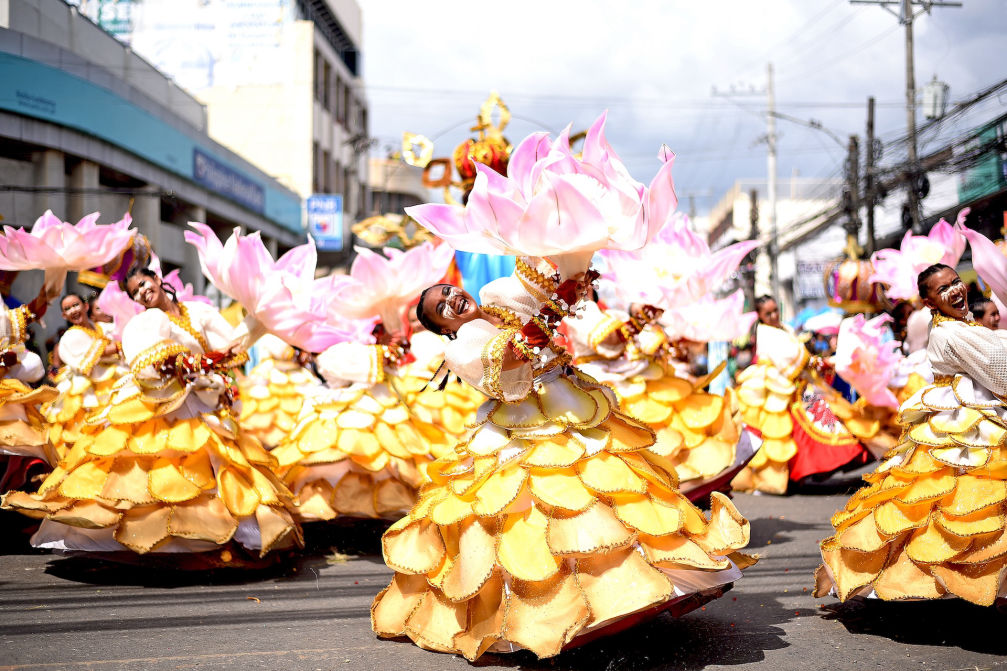
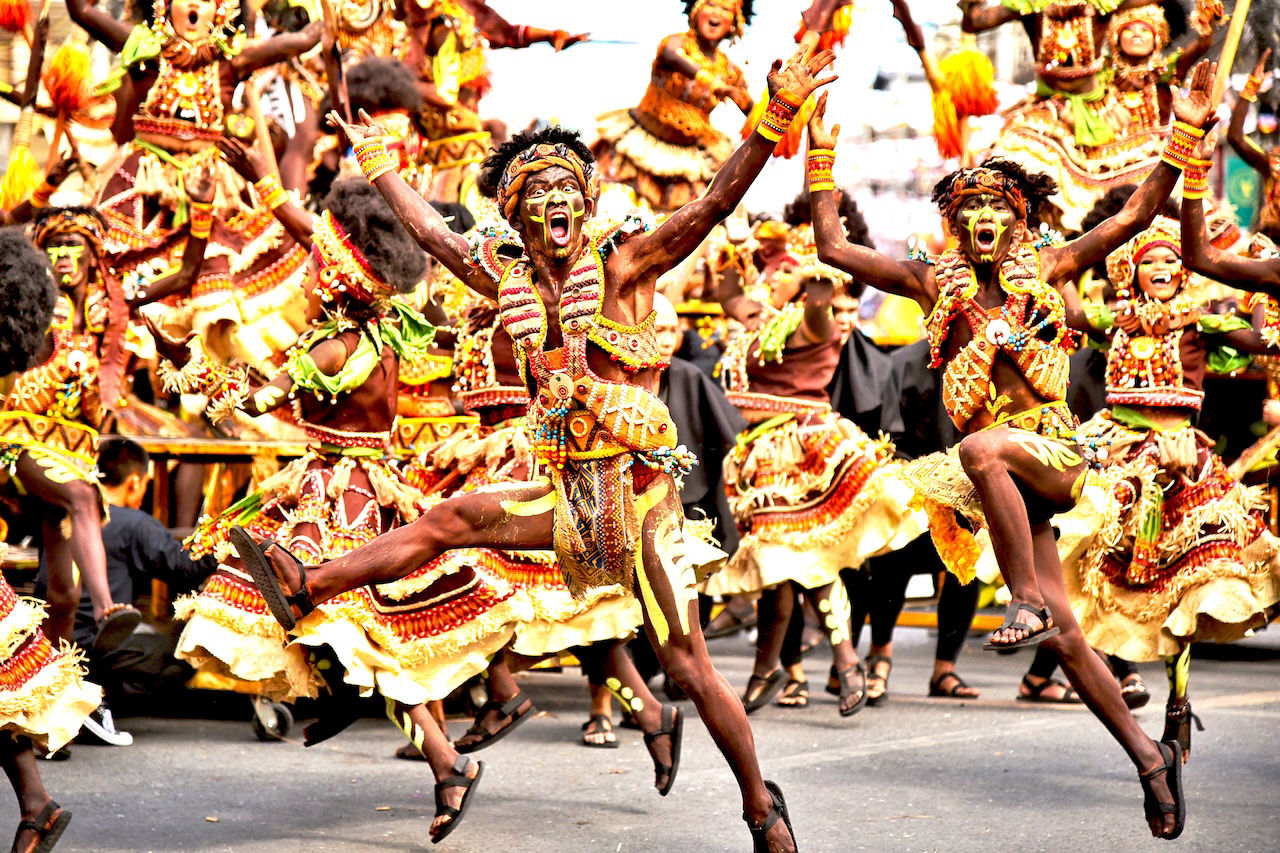
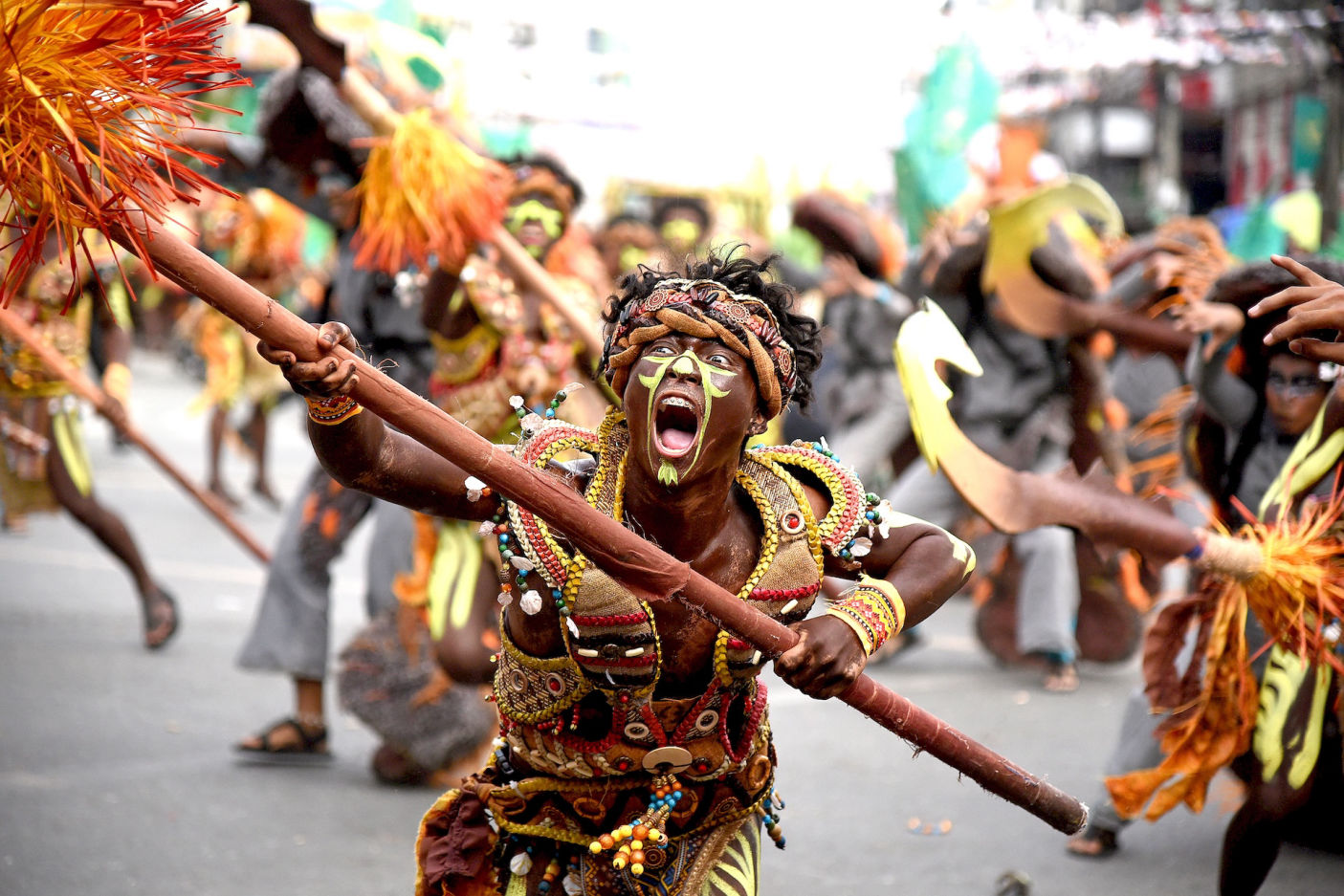
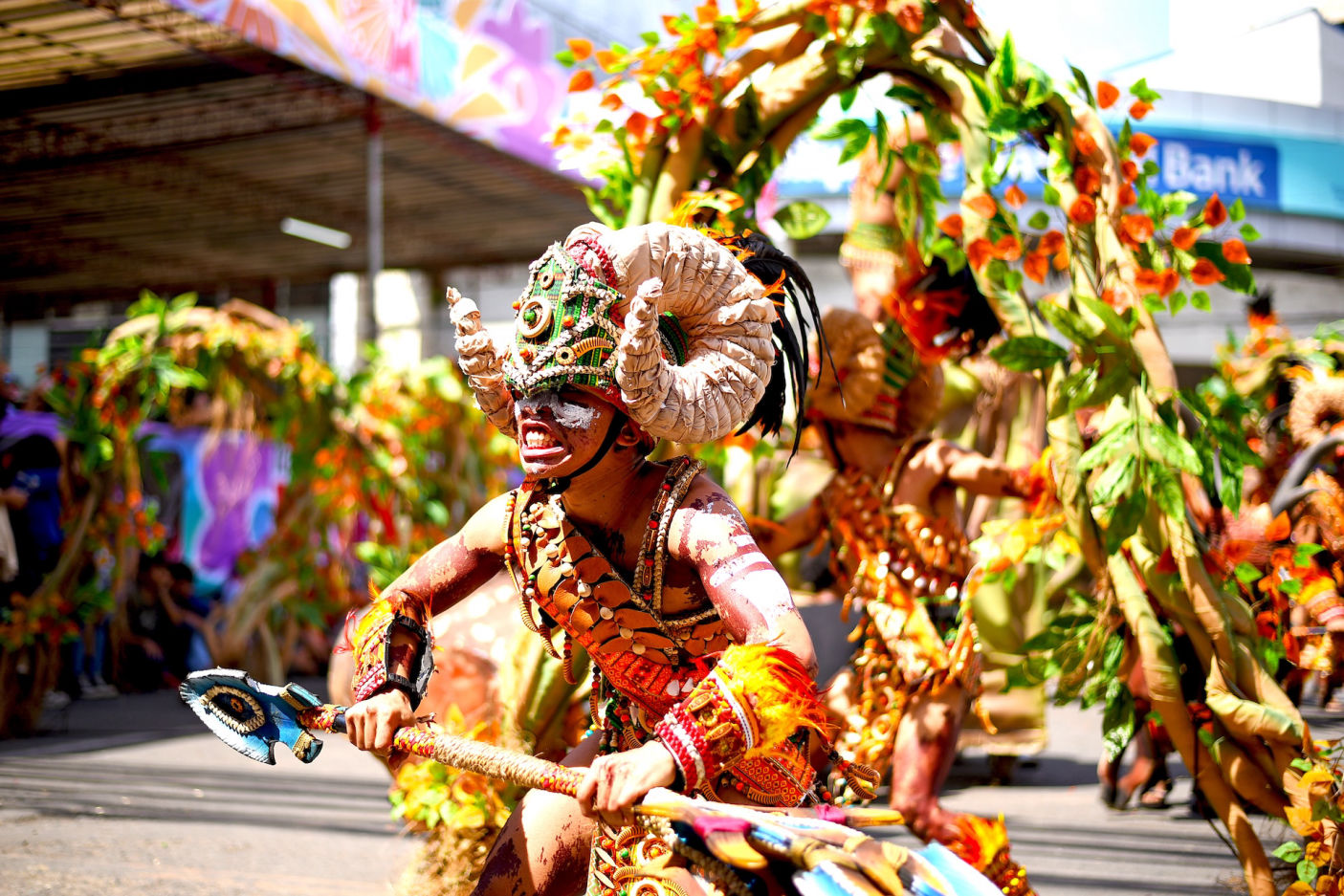
At the heart of Dinagyang is the Ati Tribes Competition, held on January 26. You get to witness eight competing 'tribes' reenact the legendary Barter of Panay. Adorned in elaborate costumes and striking body paint, the dancers' attire call to mind the sensibilities of say, Fijians, Maoris, Tongans, Papuans, Chamorros, Rapa Nuis, Tahitians, etc., but on an even more flamboyant and festive level.
Coming from the different parts of Iloilo, the groups' mesmerizing street-dance synchronization to the beat of drums filled the air with chants that echoed through the streets. The atmosphere was electric, and you couldn’t help but be swept up in the excitement. This year, Tribu Paghidaet of La Paz National High School emerged victorious, earning the honor of representing Iloilo on national and international stages.
As night fell on January 26, the Dinagyang experience took a contemporary turn at the G Music Fest at Sunburst Park. The electrifying concert featured top Filipino artists like Al James, Because, The Dukes, and Infinite Ridge, blending modern music with the festival’s traditional essence.
Beyond the grand performances and vibrant parades, you get to witness how the Dinagyang Festival revitalizes Iloilo’s economy and strengthens its community ties. With hotels fully booked and local businesses flourishing, the festival proves to be a significant driver of tourism and economic growth. More importantly, the deep involvement of Iloilo’s residents showcases the collective pride and unity of the Ilonggo people.
Beyond the grand performances, the streets of Iloilo invite you to indulge in local flavors. You savor a steaming bowl of authentic, guinamos-tinged La Paz batchoy, its rich broth warming your soul, and enjoy a serving of pancit Molo, a delicious dumpling-filled soup that embodies the city's culinary heritage. The food, much like the festival, is a true reflection of Iloilo’s cultural vibrancy.
It's not for nothing that Iloilo City has been declared by UNESCO as a "Creative City of Gastronomy." You don’t leave Iloilo without trying the other dishes synonymous to Ilonggo cuisine (shared with nearby Negros Island), with puto manapla, pia-ya, chicken inasal, napoleones, crablets paired off with pinapaitan, arroz valenciana, kansi, and KBL, among the most well-known. But Ilonggo cuisine is more than that, for among their lesser-known offerings are cookies and pastries such as pan de Nora, bañadas, barquillos, biscocho de caña, biscocho principe, broas, everlasting, galletas de huevos, half moon, hojaldres, quinamonsil, kinihad, kwakoy, mamon tostado, rosquetes, sambag or sampalok, serafina, and sugar cookies. They also have a rich noodle culture beyond batchoy and pancit Molo, with such other inventions as calo-calo bihon, pancit efuven, and pancit canton Ilonggo. A number of other less celebrated, downhome meat, fish, and vegetable dishes are also unique to Ilonggo cuisine.
But what truly makes Dinagyang special isn’t just its dazzling performances — it’s the deep sense of faith and community that fills the air. Yes, lest you forget, the most important part of the Dinagyang experience is spiritual in nature: it's about witnessing the fluvial procession, where devotees carry the image of the Sto. Niño along the Iloilo River. As you watch people pray with unwavering devotion, you feel a sense of connection to something greater than yourself. It’s a moment of reflection, gratitude, and spiritual awakening.
As the festival comes to an end, you realize that this festival is more than just a visual spectacle — it is not just a living, breathing testament to Iloilo’s rich history and dynamic culture, but also an experience that touches your heart and soul. The energy, the passion, the faith, and the warmth of the people with their unique, charmingly gentle sing-song accent make it unforgettable.
By blending tradition with innovation, this festival ensures that the city’s heritage is preserved and transmitted to the young for generations to come. As you immerse yourself in its rhythmic beats and breathtaking displays, you become part of a celebration that continues to captivate, inspire, and define Iloilo’s cultural identity.
At one point, you might wonder: Why all that unusual exuberance, ebullience, high-spiritedness? It can only mean one thing: Dinagyang is all about the Ilonggos' unmistakable joie de vivre, their infectious love for life and sense of gratitude for being alive, anchored on what else but their steadfast faith in a doting Deity, one capable of loving to lavish proportions. It’s a spirituality that knows how to rest and have a good time; a spirituality that knows how to combine passion, zeal, and calm at the same time. It also emanates from an abundance mentality that reflects the tropical Pacific islands’ combination of frailty and generosity, thus giving birth to the credo that while one’s time on earth is fragile and limited, one nonetheless celebrates life for all its precious bounty.
No doubt, you leave Iloilo City with a heart full of memories of such a profound and immersive experience, already counting down the days until you can return. If there’s one festival that truly captures the essence of Filipino pride and faith to maximal levels, it’s the one and only Dinagyang.

Offline Website Builder